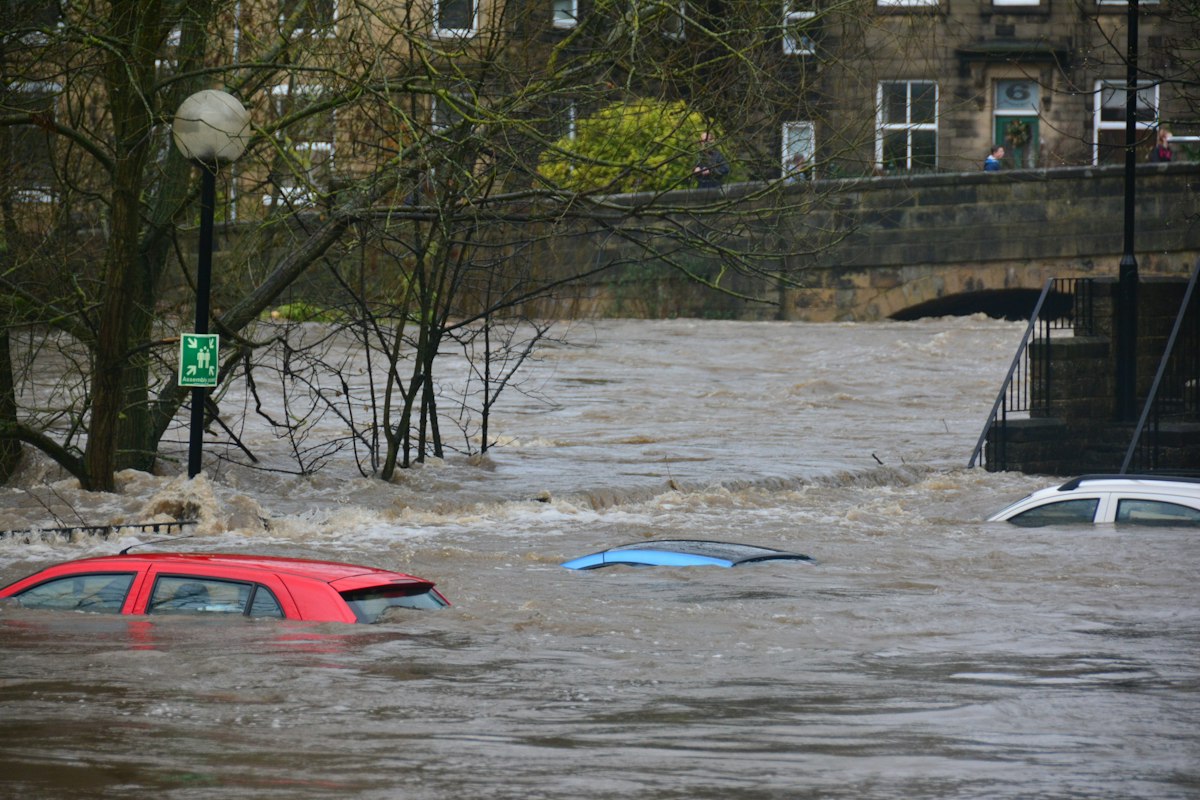
What to Do After a Florida Flood Claim Denial
A Florida flood can damage a home in hours, but the insurance dispute may last much longer. After storm surge, overflowing canals, neighborhood drainage failures, or rising surface water, policyholders often discover that flood claims follow different rules from ordinary homeowners claims. A denial may say the water did not meet the policy definition of flood, the damage existed before the event, the proof of loss was incomplete, or a claimed item falls outside the policy.
Do not assume the insurer’s first decision is final. Start by identifying the policy that issued the denial, preserving evidence of how the water entered, and requesting the complete written basis for the decision. The next step depends heavily on whether the policy is issued through the National Flood Insurance Program (NFIP) or by a private flood insurer.
Flood Damage Is Not the Same as Every Kind of Water Damage
Most Florida homeowners policies exclude flooding. FEMA’s FloodSmart guidance explains that most homeowners insurance does not cover flood damage, which is why homeowners often purchase a separate NFIP or private flood policy.
The source and movement of water matter. Rising water, storm surge, overflowing waterways, and surface-water accumulation are commonly analyzed as flood. Rain entering through a wind-damaged roof or broken window may instead implicate the homeowners policy. A broken supply line, failed water heater, or plumbing leak is also different from an external flood.
After a hurricane, more than one cause can damage the same building. Wind may open the roof before storm surge reaches the property. Report the loss promptly to every potentially responsible carrier. Let each insurer investigate and give a written coverage position rather than choosing one cause yourself and accidentally leaving covered damage unreported.
NFIP Versus Private Flood Insurance
An NFIP policy is governed by a federal Standard Flood Insurance Policy. A private insurer may administer the claim through the Write Your Own program, but federal rules still control the NFIP coverage. Deadlines and documentation requirements can be strictly enforced.
Private flood policies are contracts issued outside the NFIP. They may offer different limits, replacement-cost provisions, additional living expense coverage, basement terms, waiting periods, exclusions, appraisal procedures, and suit deadlines. Some are broader than NFIP coverage; others are narrower in important ways.
Check the declarations page and policy form before responding to a denial. Look for the insurer’s name, the policy form, building and contents limits, deductibles, endorsements, and the section describing how to dispute a claim. Do not assume advice about an NFIP policy automatically applies to a private policy.
Common Reasons Florida Flood Claims Are Denied or Underpaid
Flood claim decisions often turn on a few recurring issues:
- The insurer says the event did not satisfy the policy definition of flood.
- The adjuster attributes damage to wear, deterioration, earth movement, mold, or a prior loss.
- The insurer separates wind damage from flood damage in a way that leaves part of the loss unpaid.
- The estimate omits cabinets, drywall, insulation, electrical components, flooring, or contents.
- The carrier applies special limits to basements, enclosures, elevated buildings, or property outside the insured building.
- The policyholder did not document ownership, value, or pre-loss condition of contents.
- A proof of loss was late, incomplete, or inconsistent with the supporting estimate.
- The claimed repair method exceeds what the policy pays without enough technical support.
A short denial label is not enough to evaluate the claim. Ask the carrier to identify the exact policy language, facts, photographs, engineering opinions, elevation information, and estimate entries supporting its position.
Evidence That Can Strengthen the Claim
Floodwater destroys evidence quickly. Photograph and video every room before cleanup when it is safe to do so. Record water lines on walls, doors, cabinets, appliances, and exterior surfaces. Take wide views that establish location and close-ups that show material damage.
Keep damaged items until the adjuster inspects them or gives written permission to discard them. If health or safety requires removal, photograph each item, label it, and maintain a disposal log. Save samples of flooring, cabinets, trim, and wall materials when practical.
Useful records may include:
- The flood policy and declarations page
- The denial or partial-payment letter
- The insurer’s estimate and adjuster photographs
- Time-stamped photographs and videos
- Emergency mitigation invoices and drying logs
- Contractor, engineer, electrician, and HVAC reports
- A room-by-room contents inventory with receipts or replacement-price support
- Weather records, flood maps, high-water marks, and neighbor photographs
- Prior inspection reports and pre-loss photographs
- Mortgage and ownership documents
Evidence should connect each damaged item to the flood and explain the reasonable repair or replacement cost. A contractor estimate is more persuasive when it identifies quantities, materials, labor, and the reason a component cannot simply be cleaned or patched.
Proof of Loss and Appeal Deadlines
NFIP claims can involve a sworn proof of loss deadline, and FEMA may extend that deadline after a major disaster. Never rely on a rumor that an extension was granted. Confirm the deadline for your event in writing and submit the required materials before it expires.
FEMA’s current NFIP guidance says a policyholder who receives a denial has 60 calendar days from the date of the denial letter to file an appeal with FEMA. An appeal should explain the disputed decision and include the policy, denial letter, proof of loss, estimates, photographs, reports, correspondence, and other supporting records. An appeal does not increase the policy’s coverage or limits, but it can challenge how the policy and facts were applied.
Private flood policies may have different reconsideration, appraisal, arbitration, mediation, or litigation provisions. Calendar every deadline stated in the policy and denial letter. Asking the adjuster to reconsider may not pause a contractual suit deadline.
Florida Homeowners Claims May Run on a Separate Track
When wind, wind-driven rain, or another covered homeowners peril may have contributed, Florida’s property claim statutes can matter to that separate claim. Florida Statute section 627.70131 generally requires an insurer to acknowledge a claim communication within seven calendar days and contains investigation and payment requirements. Section 627.70132 generally requires notice of an initial or reopened property claim within one year after the date of loss and a supplemental claim within 18 months.
Those Florida deadlines should not be substituted for NFIP deadlines. A single hurricane can create a federal flood claim and a Florida homeowners claim with different governing rules. Track them independently.
How to Challenge an Underpayment
First, compare the insurer’s estimate line by line against the actual damage. Identify missing rooms, materials, labor, code-related work, contents, and professional services. Separate disagreements about coverage from disagreements about price or scope.
Second, submit a focused written response. Quote the disputed policy provision, explain the facts, attach the supporting evidence, and state the specific correction requested. Avoid sending an unorganized document dump without explaining what each item proves.
Third, obtain qualified opinions where causation is disputed. An engineer, contractor, hygienist, or building professional may be needed to distinguish flood damage from long-term deterioration or wind damage. The right expert depends on the insurer’s stated reason for denial.
Finally, preserve all communications. Keep a claim diary recording calls, inspections, document submissions, payment explanations, and deadlines. Confirm important telephone conversations by email.
When to Speak With a Florida Property Damage Attorney
Legal review may be appropriate when the NFIP or private carrier denies the event as a covered flood, blames pre-existing damage without adequate evidence, misses major parts of the estimate, disputes wind versus flood causation, rejects a proof of loss, or approaches an appeal or suit deadline.
Louis Law Group represents Florida policyholders in property damage disputes. Bring the flood policy, homeowners policy, denial letters, estimates, photographs, proof-of-loss documents, expert reports, and claim correspondence to the review. Early review is especially important because an NFIP claim can involve federal requirements that differ from ordinary Florida insurance litigation.
Frequently Asked Questions
Does Florida homeowners insurance cover storm surge?
Most homeowners policies exclude flood and storm surge, while a separate NFIP or private flood policy may cover direct physical flood damage. Review the actual policy language because coverage depends on the cause and the contract.
Can I file both a flood claim and a homeowners claim after a hurricane?
Yes, when different causes may have contributed. For example, wind may damage a roof while rising water damages lower portions of the home. Report both promptly and document where, when, and how each type of damage occurred. You cannot receive duplicate payment for the same damage.
How long do I have to appeal an NFIP denial?
FEMA currently states that an NFIP appeal must be filed within 60 calendar days from the date of the denial letter. Other deadlines, including proof-of-loss and lawsuit deadlines, may also apply.
Does NFIP flood insurance pay additional living expenses?
Standard NFIP coverage generally does not pay temporary housing or additional living expenses. Some private flood policies may offer broader benefits, so check the declarations and endorsements.
What if the insurer says the damage was pre-existing?
Gather pre-loss photographs, inspection reports, maintenance records, prior repair invoices, and expert opinions. Ask the insurer to identify the evidence supporting its conclusion and respond to that evidence directly.