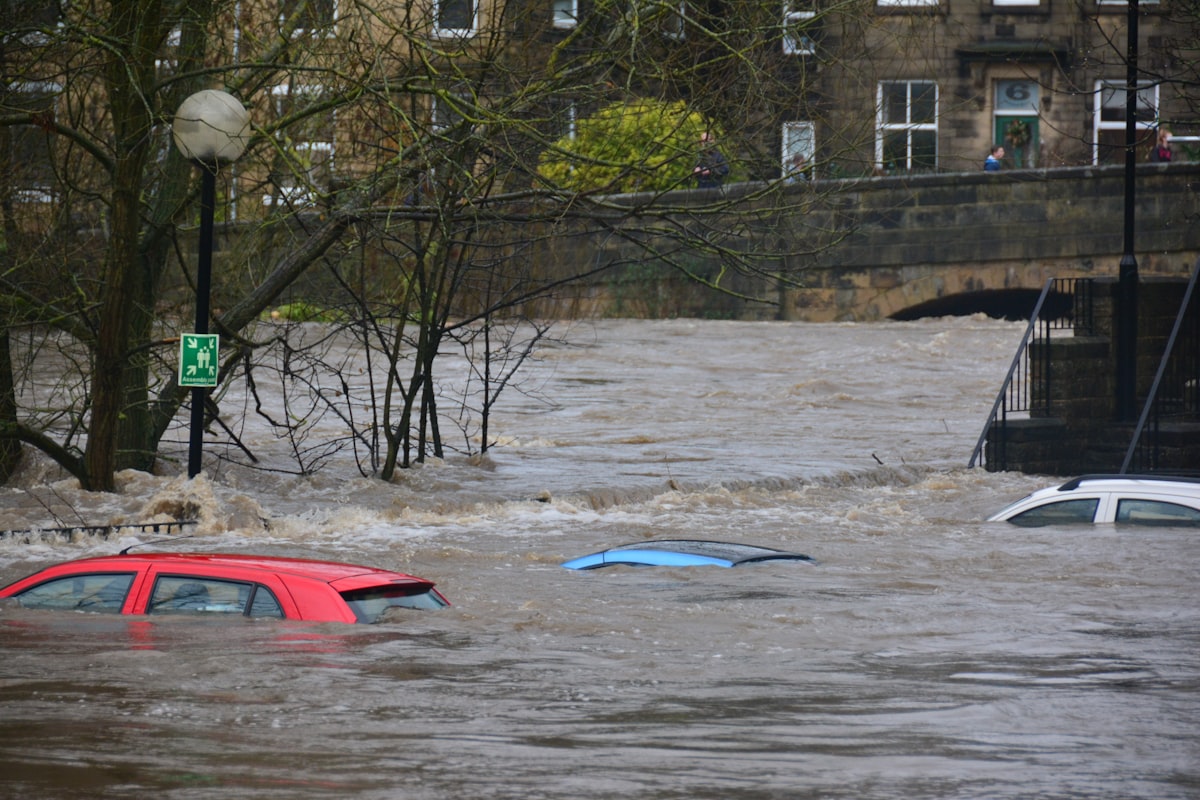
Florida Flood Damage Insurance Claim Denied
Flood damage can be one of the most expensive losses a Florida property owner faces. Storm surge, overflowing canals, heavy rainfall, failed drainage systems, and rising groundwater can destroy flooring, drywall, cabinets, electrical systems, appliances, personal property, and structural components in a matter of hours.
The insurance problem is just as serious. Standard homeowners policies usually exclude flood, surface water, storm surge, and rising water. Coverage often depends on whether you have a separate flood policy through the National Flood Insurance Program, a private flood insurer, an excess flood policy, or another form of specialty coverage. After a hurricane or tropical storm, homeowners may also have both wind damage and flood damage, which can lead to finger-pointing between insurers.
If your Florida flood damage insurance claim was denied, the denial letter is not the end of the analysis. You need to identify which policy applies, what type of water caused each category of damage, what deadlines control the claim, and whether the insurer inspected and priced the loss correctly.
NFIP Flood Insurance vs. Private Flood Insurance
Many Florida flood policies are written through the National Flood Insurance Program, commonly called the NFIP. These policies are federally backed and follow standardized policy forms. That means NFIP claims are governed by strict federal rules, including proof-of-loss requirements and documentation standards.
Private flood policies are different. They may provide broader limits, additional living expense coverage, replacement cost options, basement or enclosure provisions, or excess coverage above NFIP limits, depending on the contract. But private flood insurers also write their own exclusions, deductibles, notice duties, and dispute procedures.
Before challenging a denial, confirm:
- Whether the policy is NFIP, private flood, excess flood, homeowners, wind, or another policy
- The covered building limit and contents limit
- The deductible for building damage and personal property damage
- Whether the policy pays actual cash value or replacement cost
- Whether loss of use or additional living expenses are covered
- Whether detached structures, pools, screen enclosures, landscaping, docks, seawalls, or garages are excluded
- Whether the insurer denied coverage, denied only part of the claim, or valued the loss below the deductible
Do not assume the adjuster’s explanation is complete. Flood claim decisions often depend on policy definitions, elevation, flood zone, enclosure rules, documentation, and whether the claimed damage was directly caused by floodwater.
Why Flood Damage Claims Get Denied or Underpaid
Florida flood damage denials usually fall into recurring categories. The insurer may say the damage was not caused by direct physical loss by or from flood. It may say the claimed materials were already damaged, deteriorated, or affected by long-term moisture. It may reject contents because the inventory is incomplete. It may exclude areas below the lowest elevated floor. It may apply depreciation aggressively or omit labor, permit, and access costs.
Common denial and underpayment reasons include:
- The insurer says wind-driven rain, roof leakage, or plumbing caused the loss instead of flood
- The homeowners carrier says flood caused the damage and denies under the flood exclusion
- The flood insurer says the damage was pre-existing or not directly caused by floodwater
- The policy excludes damage in a garage, crawlspace, basement, enclosure, or area below the elevated floor
- Contents are denied because receipts, photos, or inventories are missing
- Mold, mildew, moisture, or contamination cleanup is limited or excluded
- The estimate omits drywall removal, insulation, flooring, cabinetry, electrical work, or code items
- The insurer says the proof of loss was late, incomplete, unsigned, or unsupported
- The carrier values damaged property at actual cash value with heavy depreciation
In a hurricane claim, two insurers may each try to blame the other. The wind carrier may call everything flood. The flood carrier may call part of the damage rain, roof leakage, or wind-driven water. The strongest response is a room-by-room causation file separating wind, flood, interior water intrusion, contents, and mitigation costs.
NFIP Proof of Loss and Documentation
NFIP flood claims are document-heavy. A proof of loss is a signed, sworn statement of the amount claimed, supported by documentation. FEMA’s NFIP materials state that the ordinary proof-of-loss deadline is 60 days after the loss unless FEMA grants an extension for a specific event.
That deadline matters. If your claim involves an NFIP policy, do not rely on verbal statements that the adjuster is “handling it.” The policyholder is responsible for submitting a complete proof of loss with supporting documentation unless an applicable FEMA extension changes the deadline.
Useful flood claim documentation includes:
- Photos and videos before cleanup begins
- Exterior photos showing flood lines, debris lines, entry points, and surrounding conditions
- Interior photos of every affected room, wall, floor, cabinet, appliance, and contents item
- Moisture readings, dry-out logs, and mitigation invoices
- Contractor estimates broken down by room and line item
- Personal property inventory with age, condition, replacement cost, and photos when available
- Receipts, bank records, manuals, warranties, or prior photos supporting damaged contents
- Elevation certificates, flood zone records, and prior repair documentation when relevant
- Communications with the insurer, adjuster, engineer, contractor, and mitigation company
If the insurer asks for more information, respond in writing and keep proof of delivery. If a document is unavailable, say so clearly and provide the best substitute evidence you have.
Florida Homeowners Claims and Flood Exclusions
A denied flood claim may also involve a homeowners or wind policy. Standard homeowners policies usually exclude flood, but they may still cover wind-created openings, roof damage, broken windows, damaged doors, interior rain damage after a covered opening, fallen trees, lightning, and other covered storm losses.
That distinction is critical after hurricanes. A property can suffer both covered wind damage and excluded flood damage. The presence of storm surge or rising water does not automatically erase coverage for wind damage that happened before, during, or separately from the flood.
Florida property insurance deadlines also matter. Under section 627.70132, a Florida property insurance claim or reopened claim is generally barred unless notice is given within 1 year after the date of loss, and a supplemental claim is generally barred unless notice is given within 18 months after the date of loss. Under section 627.70131, residential property insurers generally must acknowledge claim communications within 7 calendar days and must pay or deny the claim, or a portion of the claim, within 60 days unless factors beyond the insurer’s control prevent it.
Those Florida deadlines do not replace NFIP rules for federal flood policies. If multiple policies may apply, calendar every deadline separately.
What to Do After a Flood Claim Denial
Start by reading the denial letter closely. Identify whether the insurer denied coverage entirely, denied only certain items, requested more documents, disputed causation, applied an exclusion, or valued the loss below the deductible. Then compare the letter against the policy and the evidence.
Take these steps:
- Request the complete estimate, adjuster photos, engineering report, and policy provisions relied on
- Get a room-by-room repair estimate from a licensed contractor experienced with flood restoration
- Separate flood damage from wind, roof, window, plumbing, and interior rain damage
- Prepare or supplement your contents inventory with photos and replacement values
- Preserve damaged materials when practical, especially flooring, baseboards, cabinets, and appliances
- Confirm whether an NFIP proof of loss, FEMA appeal, appraisal, mediation, or lawsuit deadline applies
- Do not sign a release or accept a final payment without understanding what rights you may be giving up
For related water and storm disputes, review our guides to Florida water damage insurance claim denials and storm surge insurance coverage in Florida.
When Legal Help Makes Sense
Flood claim disputes can become technical quickly. They may involve federal NFIP rules, private policy language, engineering opinions, elevation issues, causation disputes, contractor estimates, contents inventories, and overlapping wind or homeowners claims. A lawyer can help identify which policy should respond, preserve deadlines, challenge unsupported exclusions, and push back when an insurer shifts blame without a complete investigation.
Legal help is especially important if the insurer denied a large building claim, rejected contents, ignored wind damage, blamed everything on flood, missed major repair items, requested a proof of loss after deadlines became tight, or pressured you to accept a low final payment.
Louis Law Group represents Florida policyholders in property insurance disputes involving flood damage, hurricane losses, storm surge, wind damage, water intrusion, underpaid repairs, and denied claims. If your Florida flood damage insurance claim was denied or underpaid, get the policy, denial letter, photos, estimates, and mitigation records reviewed before important deadlines pass.
Call 833-657-4812 or contact Louis Law Group for a free consultation.
Frequently Asked Questions
Does homeowners insurance cover flood damage in Florida?
Usually no. Standard homeowners policies generally exclude flood, surface water, storm surge, and rising water. But the same storm may also cause covered wind, roof, window, or interior rain damage, so the homeowners policy should still be reviewed.
How long do I have to file an NFIP proof of loss?
NFIP materials generally require a signed, sworn proof of loss within 60 days after the flood loss unless FEMA grants an event-specific extension. Do not assume the adjuster will handle this for you.
Can I have both a wind claim and a flood claim?
Yes. Many Florida hurricane losses involve both. The key is separating the damage by cause and policy: wind-created openings, roof damage, broken windows, and rain intrusion may be different from rising floodwater or storm surge.
What if my flood insurer says the damage was pre-existing?
Ask for the evidence supporting that conclusion, then gather pre-loss photos, maintenance records, contractor opinions, mitigation records, and post-loss documentation. A contractor, engineer, or legal review may help challenge unsupported pre-existing damage findings.
Should I accept a below-deductible flood estimate?
Not without checking the full scope. Below-deductible estimates often omit contents, demolition, drying, insulation, cabinets, electrical work, flooring, access, permit costs, or code-related work. Compare the insurer’s estimate against an independent room-by-room estimate.